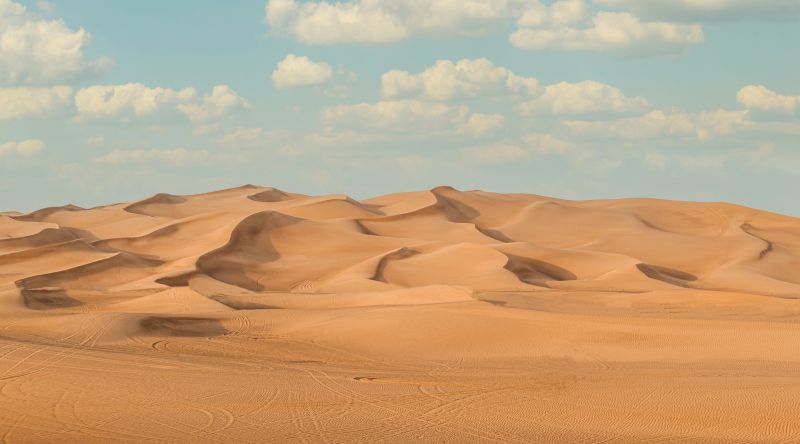
Dubai Desert
Inland from the city, the emirate of Dubai is mostly desert: sand dunes, gravel plains and protected reserves. Two of the best-known areas for visitors are the Dubai Desert Conservation Reserve and the Al Marmoom reserve around Al Qudra Lakes.
Quick facts
- Getting there
- No metro or tram; go with a tour operator or by car
- Dubai Desert Conservation Reserve
- About 225 km², around 5% of the emirate, set up on 9 January 2002
- Al Marmoom
- Opened in January 2018 as the UAE's first unfenced nature reserve, including Al Qudra Lakes
- Wildlife
- Arabian oryx, Arabian and sand gazelles, flamingos at Al Qudra
- Best for
- Desert safaris, nature, cycling, stargazing
- Best for
- Couples, nature lovers, a quiet break after the city
Top things to do in Dubai Desert
Tours and activities you can book here
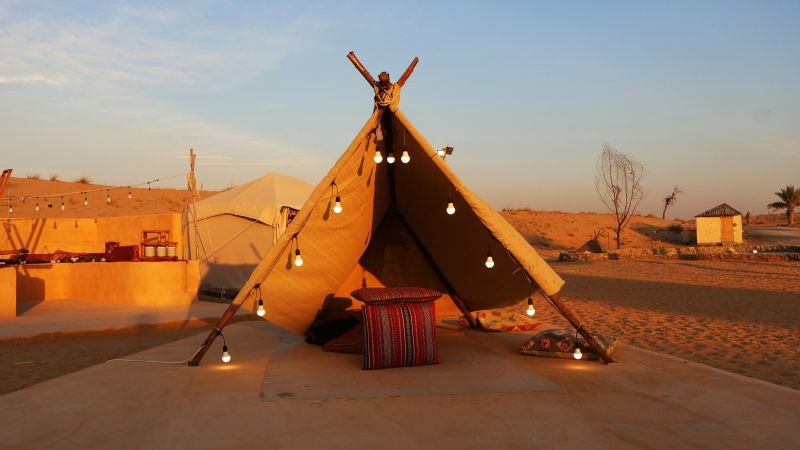
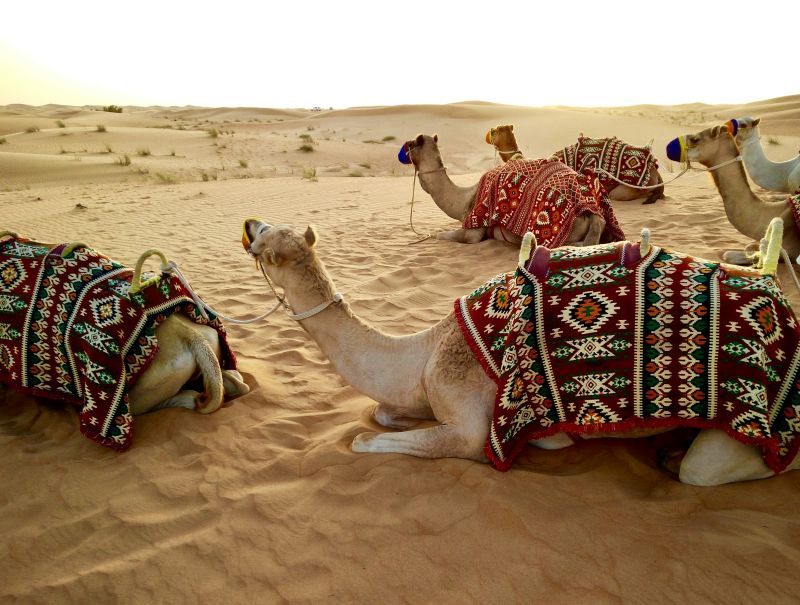
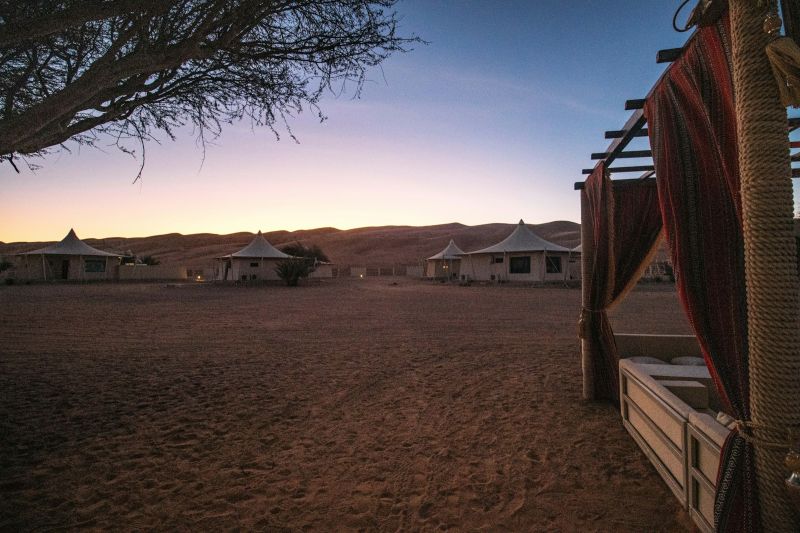
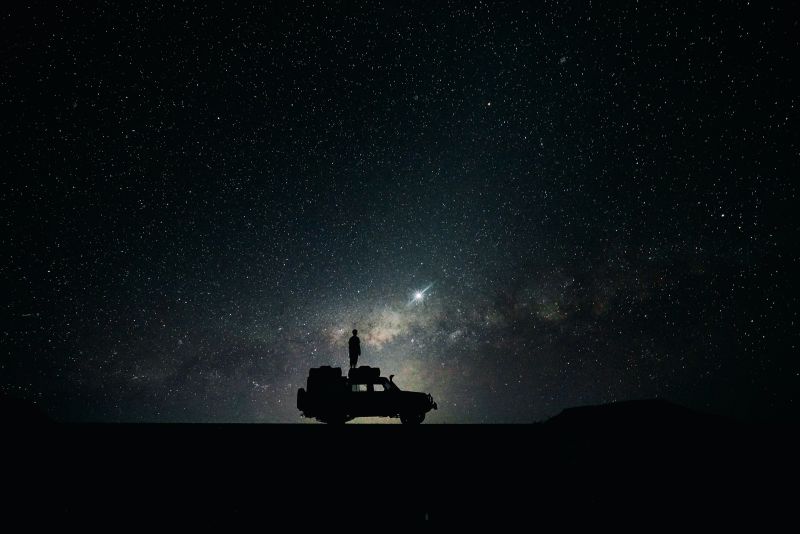
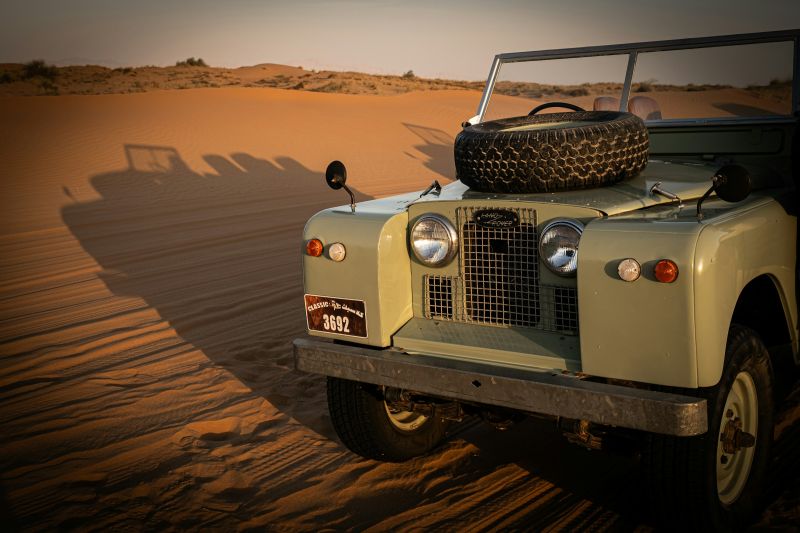
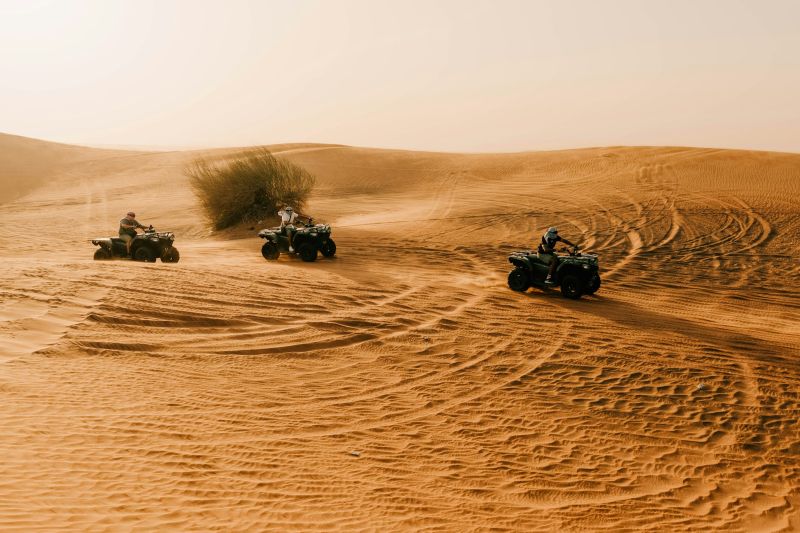
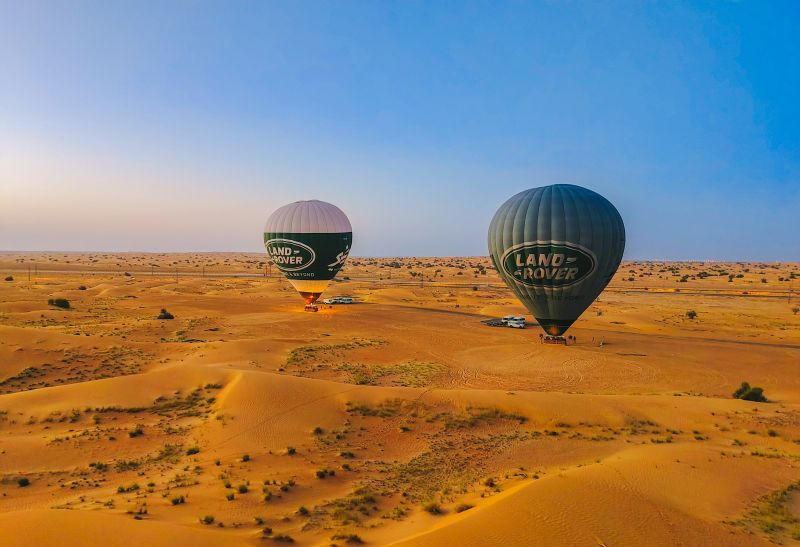
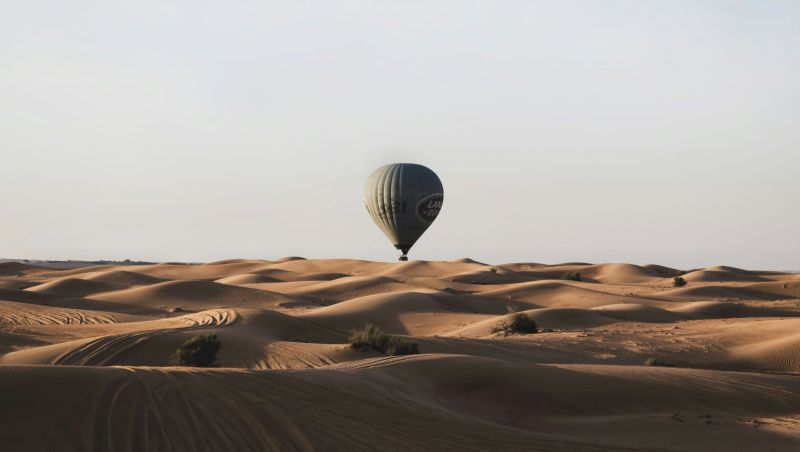
All 40 things to do in Dubai Desert, grouped by kind and time of day
What the Dubai desert is like
Leave the coast and the city soon gives way to open desert. Much of the land in the emirate of Dubai is sand and dune, crossed by highways and dotted with farms, camps and small settlements. For visitors, the desert is less a single place than a set of areas you reach by road, usually with a tour operator.
Two protected areas stand out. The Dubai Desert Conservation Reserve protects a large block of dunes and gravel plain. The Al Marmoom Desert Conservation Reserve, in the Saih Al Salam area, includes the man-made Al Qudra Lakes and a long cycling track.
What to see and do
- Dubai Desert Conservation Reserve: set up on 9 January 2002, it covers about 225 km², some 5% of the emirate. Arabian oryx have been reintroduced here, and the reserve holds the largest free-roaming herd in the UAE, along with Arabian gazelles, sand gazelles, birds and reptiles. Al Maha Desert Resort and Spa sits inside the reserve.
- Al Marmoom and Al Qudra Lakes: launched in January 2018 as the UAE's first unfenced nature reserve. It contains the Al Qudra Lakes, including a pair of heart-shaped lakes, and an 84 km cycling track. It also has observation platforms and star-gazing decks, and barbecues and camping are allowed.
- Birdlife: Al Marmoom records a large number of bird species, including migratory birds and flamingos at the lakes.
- Desert safaris: organised trips typically combine a drive into the dunes with activities and a meal at a desert camp. Compare options in our desert safari guide.
Al Marmoom is rich in wildlife for a desert area. Surveys have identified 26 species of reptile, nine mammals and 39 plant species, as well as hundreds of bird species, 158 of them migratory. Nineteen of the animal species found there are considered endangered. Between 300 and 500 flamingos have been recorded at the lakes. The reserve has also hosted about 20 sporting and social events since it launched, so check local listings if you want to join a cycling or community event.
The conservation reserve is different in character. It is managed to protect wildlife first, and tourism is limited to a few licensed operators. Operators allowed inside the reserve must follow a strict code of conduct designed to keep human impact on the dunes and animals low.
Getting there and around
There is no public transport to the desert areas. Most visitors go with a tour that includes hotel pickup. Entry to the Dubai Desert Conservation Reserve is limited to a small number of approved operators, and the only overnight stay inside it is at Al Maha. Al Marmoom and Al Qudra can be reached by car on public roads.
Driving on sand needs a suitable four-wheel-drive vehicle and experience. If you have neither, leave the dunes to a licensed operator.
Where to eat
Food in the desert usually comes with your tour. Many evening safaris include dinner at a camp. Outside a tour, facilities are limited, so bring water and snacks, especially if you are heading to Al Qudra to cycle or watch the sunset. For meals before or after, you will be back in the city: see our guides to Downtown Dubai or Dubai Marina.
Practical tips
- If you want to see oryx in the conservation reserve, check that your tour is run by one of its approved operators.
- Carry plenty of water and sun protection. The desert gets very hot, and there is little shade.
- Tell your operator about back problems, pregnancy or motion sickness before booking dune driving.
- Take your rubbish away with you; both reserves are protected areas.
- Browse desert hotels and resorts if you want to stay outside the city.
Where to stay in Dubai Desert
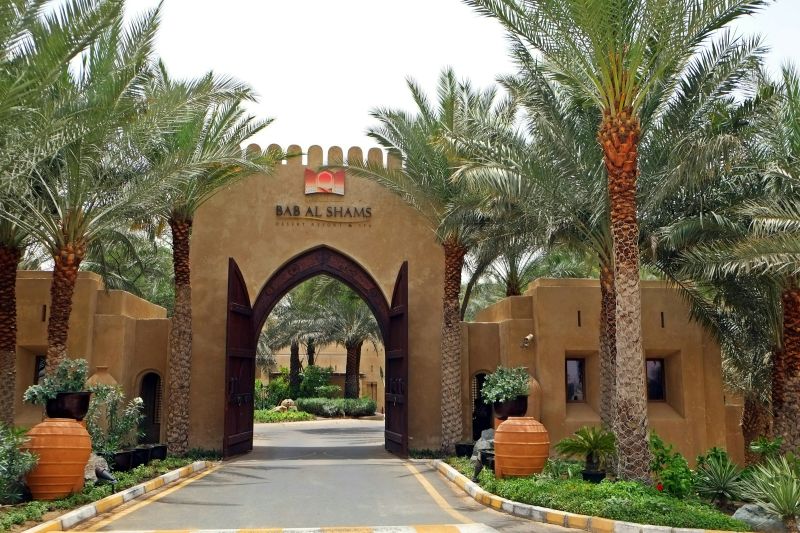
Where to eat in Dubai Desert
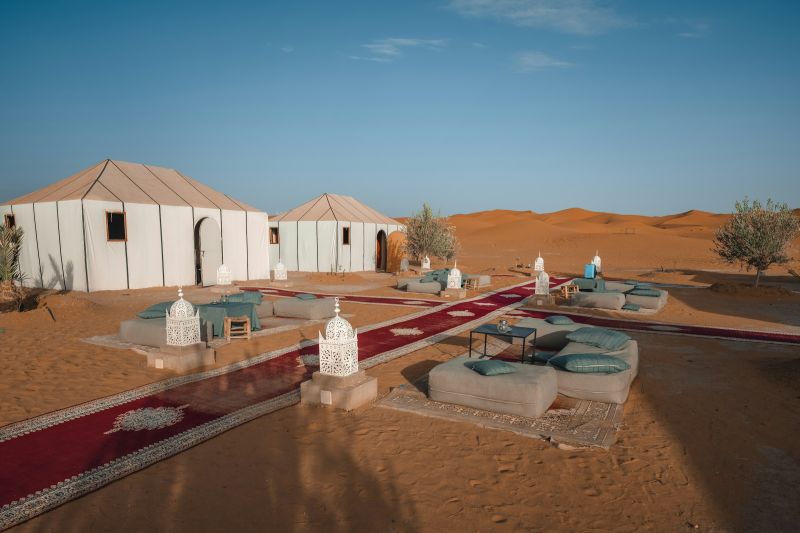
Questions about Dubai Desert
How big is the Dubai Desert Conservation Reserve?
About 225 km², which is some 5% of the emirate of Dubai. It was set up on 9 January 2002.
Can I visit the Dubai Desert Conservation Reserve on my own?
No. Entry is limited to a small number of approved tour operators and guests of Al Maha Desert Resort, the only place to stay overnight inside the reserve.
Where are the Al Qudra Lakes?
They are inside the Al Marmoom Desert Conservation Reserve in the Saih Al Salam area, which opened in January 2018 as the UAE's first unfenced nature reserve.
Is there public transport to the desert?
No. Go with a tour operator that offers hotel pickup, or drive yourself on public roads to places such as Al Qudra.