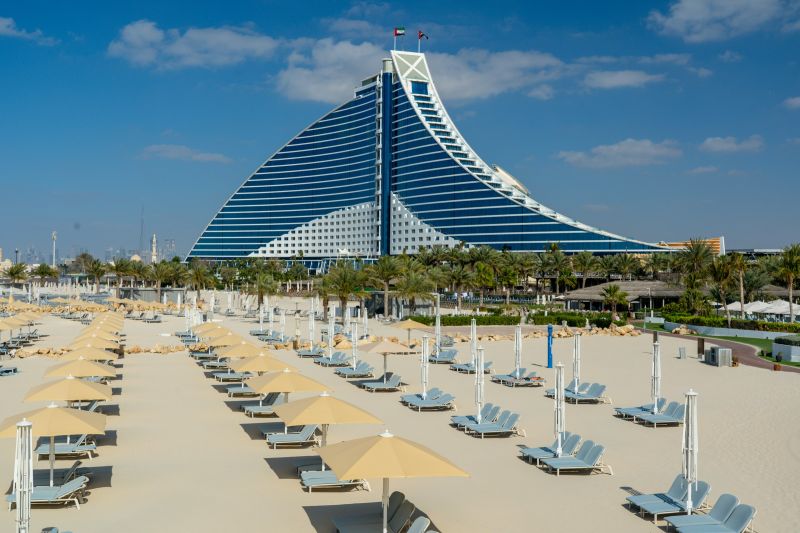
Jumeirah
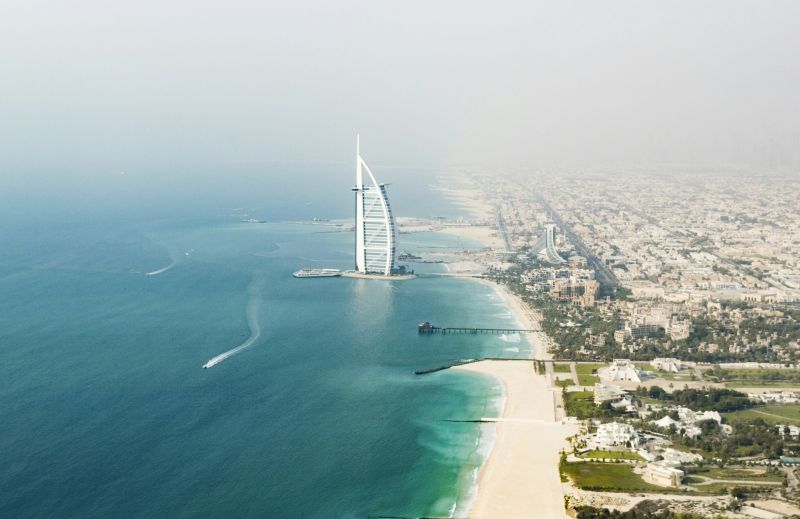
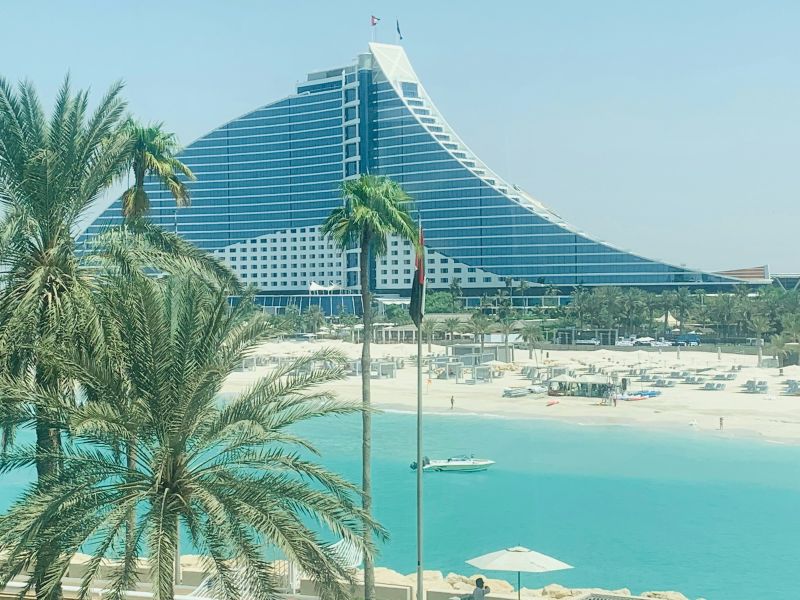
Jumeirah is the long coastal residential district south-west of the old city, running along Jumeirah Beach Road. It is known for low-rise villas, public beaches, the Jumeirah Mosque and, at its southern end, the Burj Al Arab and Madinat Jumeirah.
Quick facts
- To DXB airport
- About 17 min by taxi with no traffic (Rome2Rio estimate, about 20 km)
- Getting there
- Taxi or bus along Jumeirah Beach Road; the metro runs further inland along Sheikh Zayed Road
- Size
- About 6.9 km², split into Jumeirah 1, 2 and 3, with Umm Suqeim next door
- Main sights
- Jumeirah Mosque, Kite Beach, Madinat Jumeirah, Burj Al Arab (exterior)
- Heads-up
- The Burj Al Arab closed in April 2026 for an 18-month restoration
- Best for
- Beaches, families, a quieter, low-rise stay
- Best for
- Families, beach stays, couples
Top things to do in Jumeirah
Tours and activities you can book here

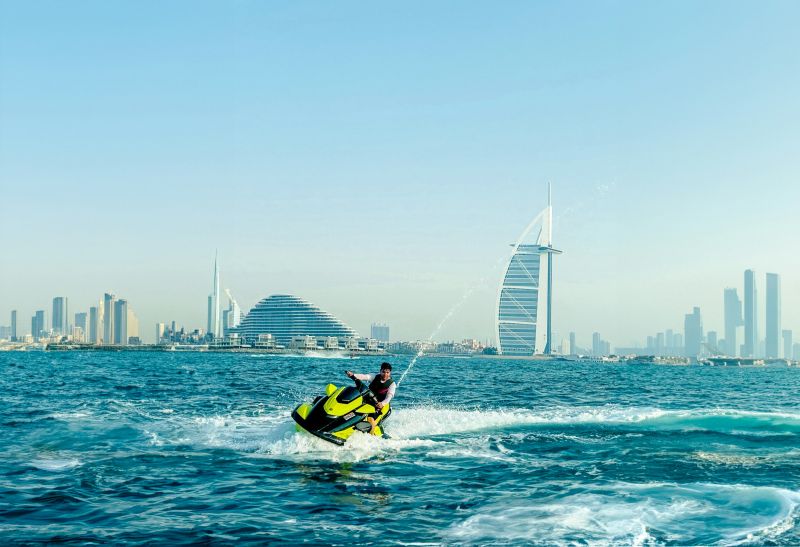
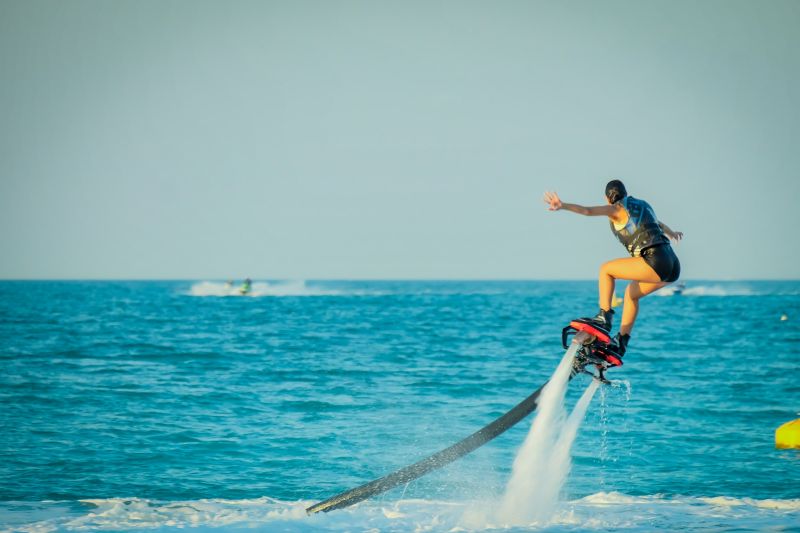
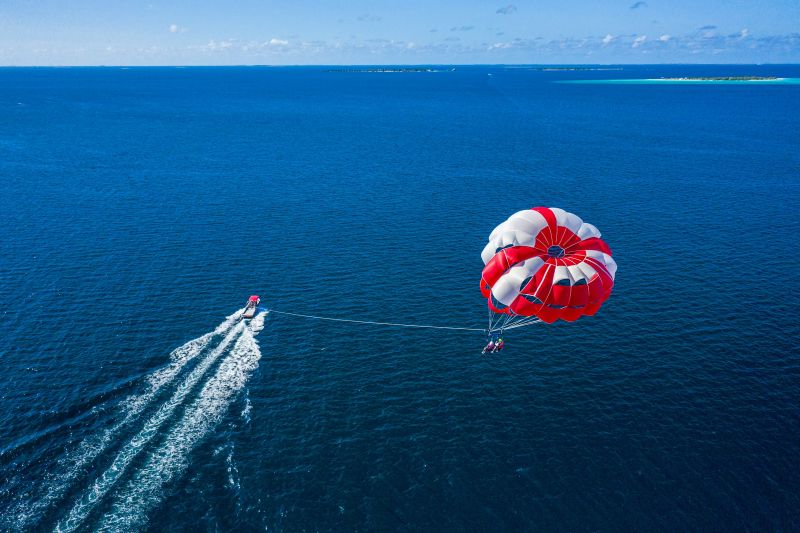
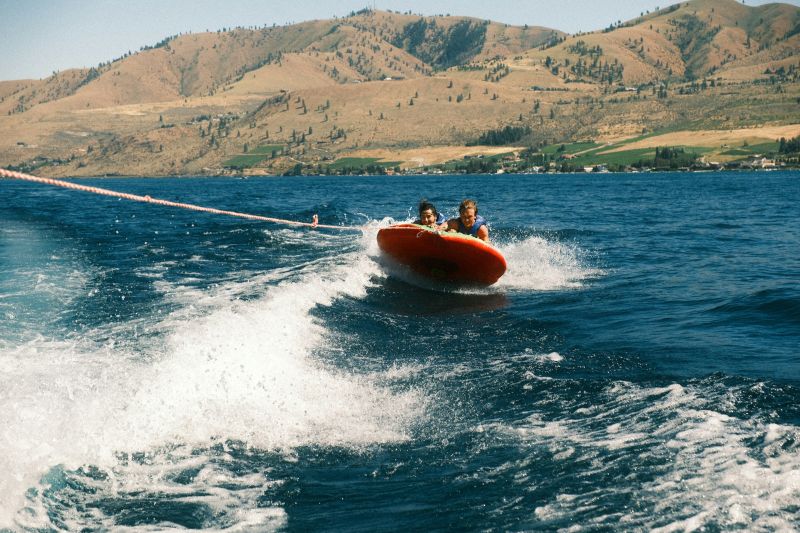
Donut tube ride on a private boat (Nemo WaterSports)
from AED 600
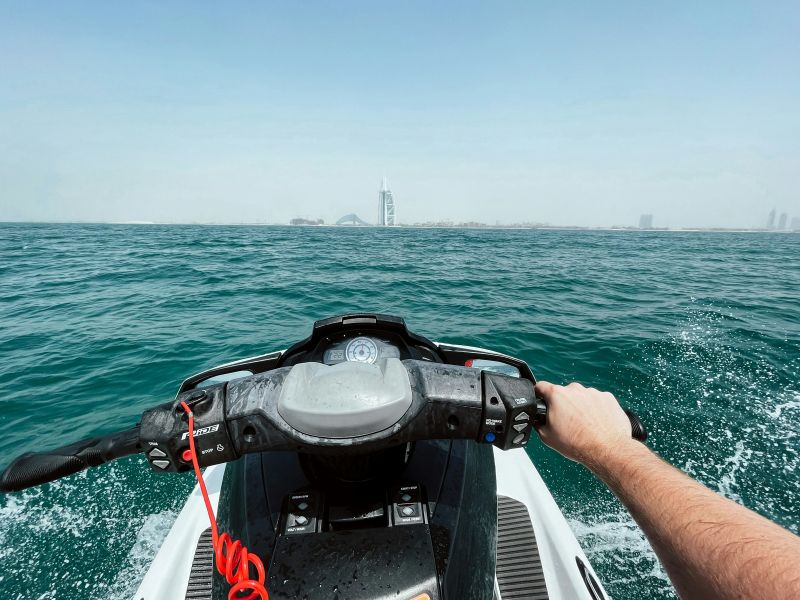
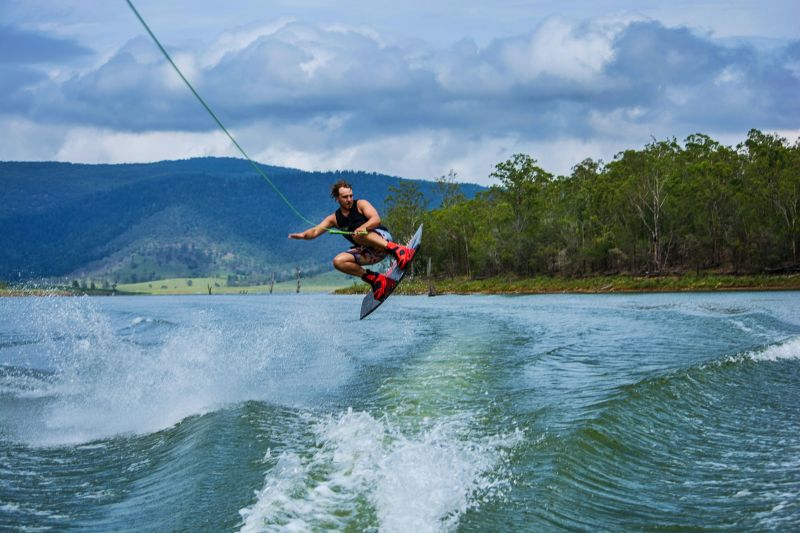
All 21 things to do in Jumeirah, grouped by kind and time of day
What Jumeirah is like
Jumeirah is a coastal district of about 6.9 km², divided into Jumeirah 1, 2 and 3, with the Umm Suqeim areas next to it. Its main artery is Jumeirah Beach Road, which runs close to the sea. People have lived here for a long time: archaeologists have found remains from around the 10th century, and at the start of the 20th century it was a small village of fishermen, pearl divers and traders living in palm-leaf huts.
Today it is mainly residential, with villas, low-rise shopping centres and beach access, which gives it a calmer feel than the tower districts. The coast here was once known as Chicago Beach, after an American engineering company's oil storage works, and the Burj Al Arab was originally planned as the Dubai Chicago Beach Hotel.
What to see and do
- Jumeirah Mosque: opened in 1979, it is one of the few mosques in Dubai open to non-Muslim visitors, who can enter only on a guided tour run by the Sheikh Mohammed Centre for Cultural Understanding. Adults need modest clothing, and women need a headscarf.
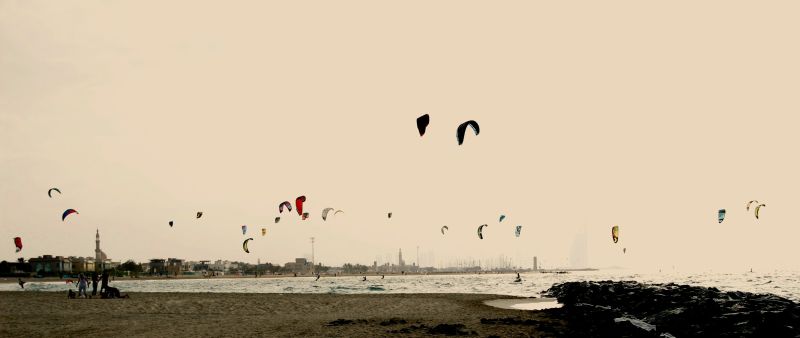
- Kite Beach: a free public beach in Umm Suqeim 1 with views of the Burj Al Arab, known for kitesurfing and other watersports.
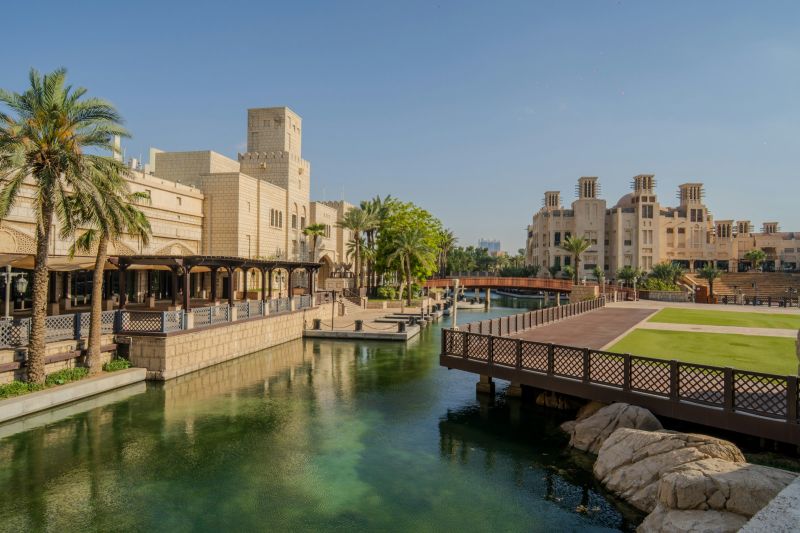
- Madinat Jumeirah: a large resort built to look like a traditional Arabian town, with three hotels and about 5.4 km of waterways where abras carry guests. Souk Madinat is home to the Theatre of Digital Art, which opened in 2020.
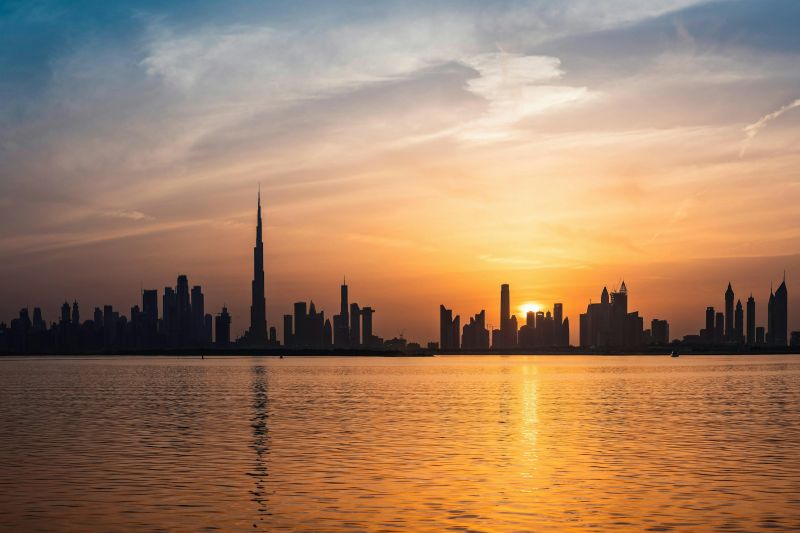
- Burj Al Arab: the 321 m sail-shaped hotel stands on its own island about 280 m offshore and opened on 1 December 1999. It closed on 15 April 2026 for an 18-month restoration and is due to reopen in October 2027, so for now you can only see it from outside.
- Jumeirah Fishing Harbour: a working harbour on the coast road.
Wild Wadi Waterpark, next to the Burj Al Arab, was still closed in May 2026 with no reopening date announced. Check its status before you plan a visit. For other sights, see our attractions.
Madinat Jumeirah covers more than 40 hectares of landscaped grounds. Its three hotels are Jumeirah Al Qasr, with 294 rooms and suites, Jumeirah Mina A'Salam, with 292, and Jumeirah Al Naseem, with 430. There is also Dar Al Masyaf, a group of 29 two-storey villas styled on traditional summer houses. At the Burj Al Arab, Jumeirah says 70 to 80% of the existing décor will be kept and restored rather than replaced, and the entrance aquarium and lobby will stay. Majlis Ghorfat Umm Al Sheif, a historic building, is also in the area.
Getting there and around
There is no metro or tram along Jumeirah Beach Road. The Red Line runs further inland along Sheikh Zayed Road, so most visitors use taxis or buses to reach the beaches. Distances along the coast are long, so plan one or two stops per outing rather than trying to walk the whole district.
Rome2Rio estimates about 20 km and 17 minutes by taxi from Dubai International Airport to Jumeirah with no traffic. Times vary depending on which end of the district you are going to.
Where to eat
You will find cafés and casual restaurants in the low-rise shopping centres along Jumeirah Beach Road and beside the beaches, including food outlets near Kite Beach. Madinat Jumeirah and its souk have a large concentration of restaurants beside the waterways.
Practical tips
- Book the Jumeirah Mosque tour in advance and dress modestly; women should bring a headscarf.
- Kite Beach is free to use. Bring sun protection, as shade is limited.
- For photos of the Burj Al Arab, the beaches of Umm Suqeim give a clear view.
- Combine Jumeirah with a visit to Downtown Dubai, which is a short taxi ride inland.
- Browse hotels in Jumeirah for beach resorts and quieter stays.
Where to stay in Jumeirah
Where to eat in Jumeirah

Orfali Bros
about AED 295 per person
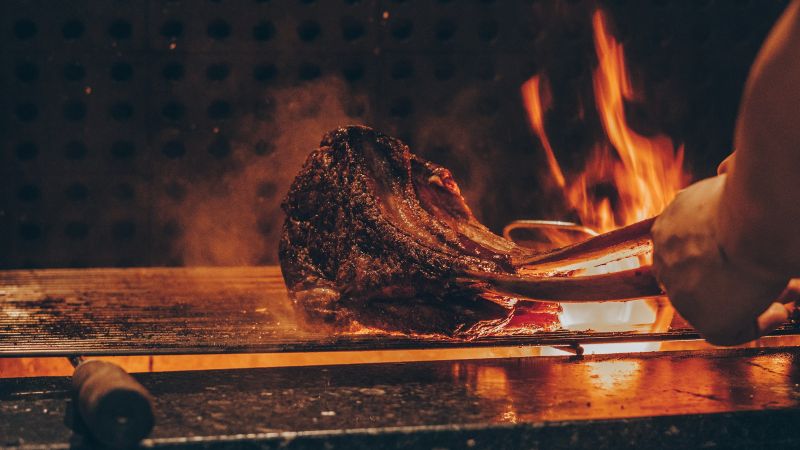
11 Woodfire
about AED 192 per person
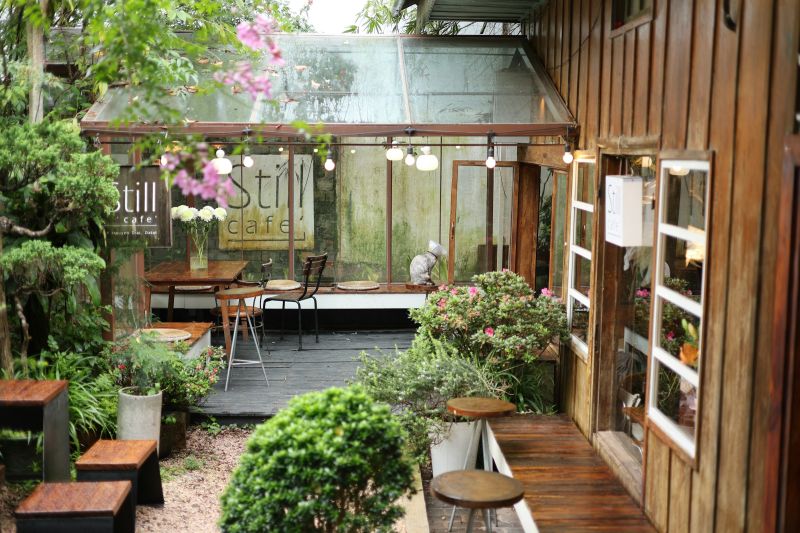
SEVA Table, Jumeirah 1
about AED 59 per person

COYA Dubai
about AED 130 per person

Mimi Kakushi
about AED 200 per person

Il Borro Tuscan Bistro
about AED 195 per person
Questions about Jumeirah
Can non-Muslims visit the Jumeirah Mosque?
Yes, but only on a guided tour run by the Sheikh Mohammed Centre for Cultural Understanding. Adults must dress modestly and women must wear a headscarf.
Is the Burj Al Arab open?
No. The Burj Al Arab closed on 15 April 2026 for an 18-month restoration and is due to reopen in October 2027.
Is Kite Beach free?
Yes. Kite Beach in Umm Suqeim 1 is a free public beach, with paid watersports and food outlets nearby.
Is there a metro in Jumeirah?
No. The Red Line runs inland along Sheikh Zayed Road, so taxis and buses are the usual way to reach the beaches.