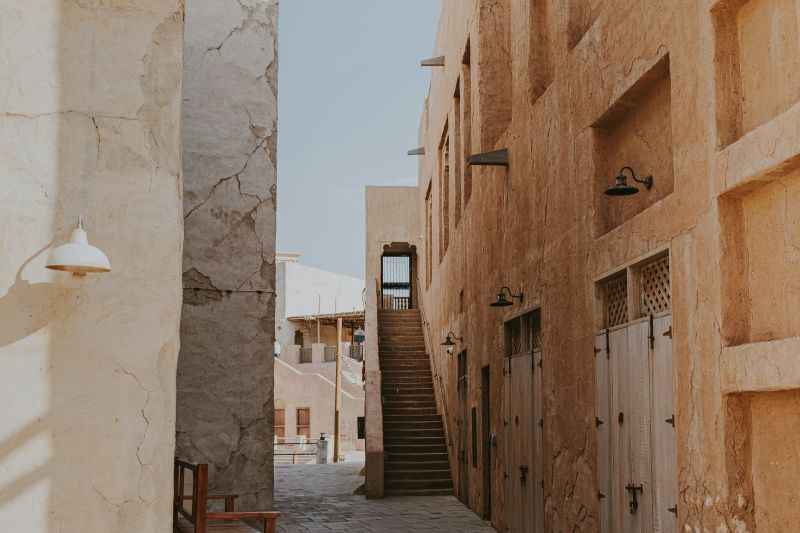
Al Fahidi Historical Neighbourhood
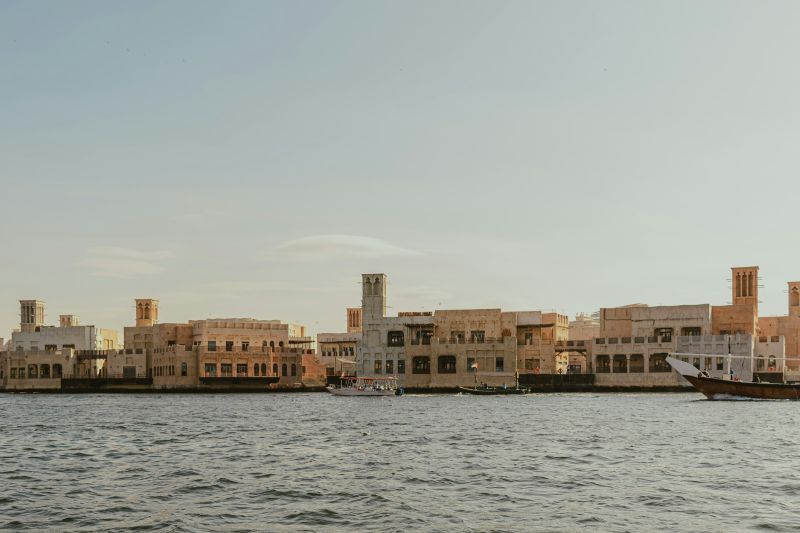
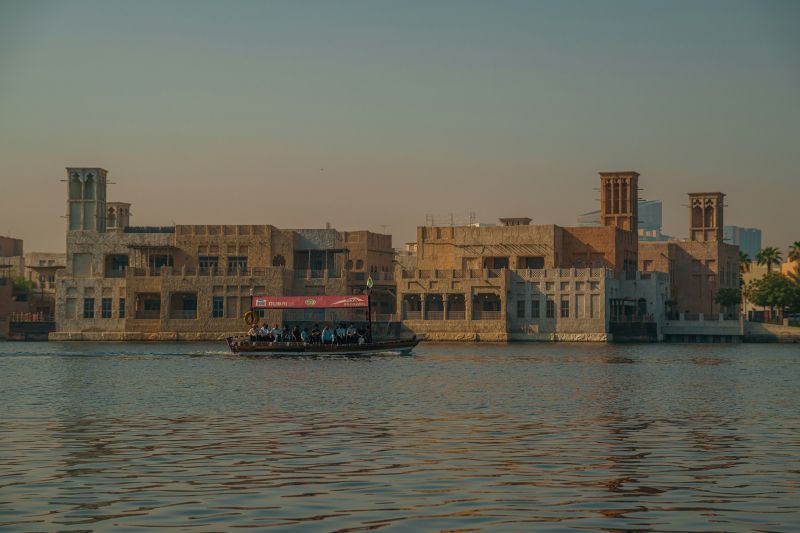
Al Fahidi Historical Neighbourhood, long known as Al Bastakiya, is a restored quarter of wind-tower houses on the Bur Dubai side of Dubai Creek. Its narrow lanes now hold small museums, galleries and cafés, and you can walk around it free of charge.
Quick facts
- To DXB airport
- About 8 min by taxi with no traffic (Rome2Rio estimate, about 8 km)
- Getting there
- Green Line to Sharaf DG (formerly Al Fahidi) or Al Ghubaiba; or an abra to Al Fahidi or Bur Dubai stations
- Entry
- Free to walk around at any time of day
- Built
- From the 1890s, restored from 2005
- Main sights
- Wind-tower houses, Coffee Museum, Sheikh Mohammed Centre for Cultural Understanding, art spaces, Al Fahidi Fort
- Best for
- Culture, history, photography, a slower half day
- Best for
- Culture, history, couples, budget-conscious travellers
Top things to do in Al Fahidi Historical Neighbourhood
Tours and activities you can book here
What Al Fahidi is like
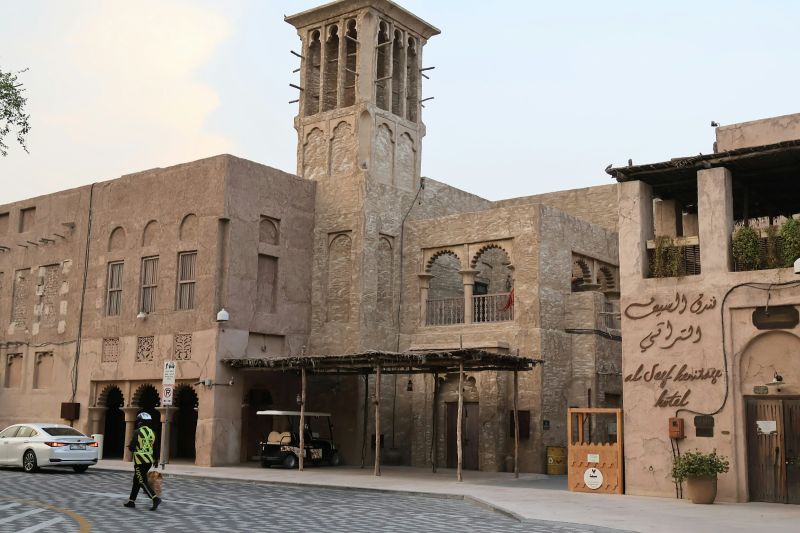
Al Fahidi is one of the few surviving pieces of old Dubai. Building here began in the 1890s, and the quarter took the name Al Bastakiya from merchants from Bastak, in what is now Iran, who settled in the area. At its height it held about 60 houses, divided by narrow, winding lanes. The houses are built around courtyards, and many are topped with wind towers, which catch the breeze and push cooler air down into the rooms.
About half of the district was demolished in the 1980s for offices. A campaign in 1989 helped save what was left, and a restoration project began in 2005, when the area was renamed Al Fahidi Historical Neighbourhood. Today it is quiet, compact and easy to explore in a couple of hours.
What to see and do
- The lanes and wind towers: simply walking the alleys is the main attraction.
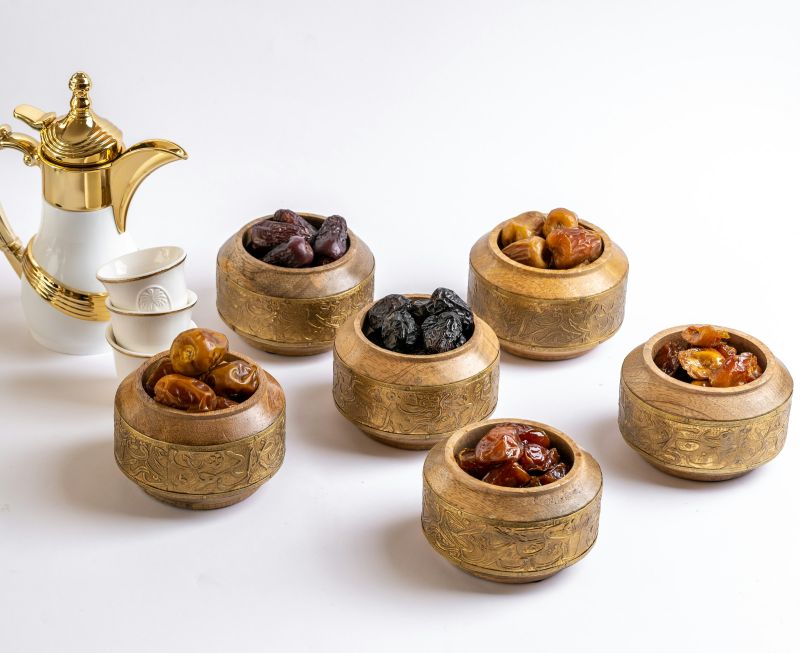
- Coffee Museum: a two-floor museum with roasting and brewing on the ground floor and books on the history of coffee upstairs.
- Sheikh Mohammed Centre for Cultural Understanding: a non-profit centre that runs cultural meals and heritage walks to help visitors learn about Emirati life and customs.
- Art spaces: several galleries and art cafés, including the Chaka Art Community, which opened in 2022.
- Al Fahidi Fort: built around 1787, it is Dubai's oldest standing building and became the city's first museum in 1971. It has been closed for restoration since 2021. In September 2026 its director said it would reopen in the coming weeks or months, so check before you go.
- Al Seef: a 1.8 km waterfront promenade by the creek, opened in 2017, with a heritage-style market and restaurants.
For more sights nearby, see our Bur Dubai guide and our attractions.
Before its closure, Al Fahidi Fort had a long history. It served as a defensive stronghold, the ruler's residence, the seat of government and a prison before it became a museum in 1971. News reports say the restored museum will include new galleries, an underground extension and a collection of Islamic arms and armour. The campaign that saved the quarter in 1989 was led by the British architect Rayner Otter, after a visit by the then Prince Charles.
Getting there and around
The nearest metro station is on the Green Line. It was called Al Fahidi until 24 November 2020, when it was renamed Sharaf DG; it sits at the junction of Khalid bin Waleed Road and Al Mankhool Road. Al Ghubaiba station, also on the Green Line, is close to the Al Shindagha heritage area and the Al Ghubaiba bus station.
You can also arrive by water. The RTA runs petrol heritage abras from Al Fahidi marine station to Deira Old Souq and to Al Sabkha for AED 2. The traditional AED 1 abra to Deira leaves from Bur Dubai abra station, a short walk along the creek. From Deira you can walk to the Gold Souk and Spice Souk; see our Deira guide.
The neighbourhood is about 8 km from Dubai International Airport. Rome2Rio estimates about 8 minutes by taxi with no traffic.
Where to eat
The quarter has a handful of courtyard cafés, including the Arabian Tea House, which suit a break between museums. The Sheikh Mohammed Centre for Cultural Understanding offers sit-down cultural meals, which you need to book. For more choice, walk to Al Seef, where restaurants line the creek.
Practical tips
- Come early in the morning or late in the afternoon; the lanes have little shade in the middle of the day.
- Wear clothing that covers shoulders and knees, as this is a traditional area with a mosque inside it.
- Carry a little cash for the abra and small purchases.
- Look for Sharaf DG, not Al Fahidi, on metro maps.
- See hotels near Al Fahidi if you want to stay in old Dubai.
Where to stay in Al Fahidi Historical Neighbourhood
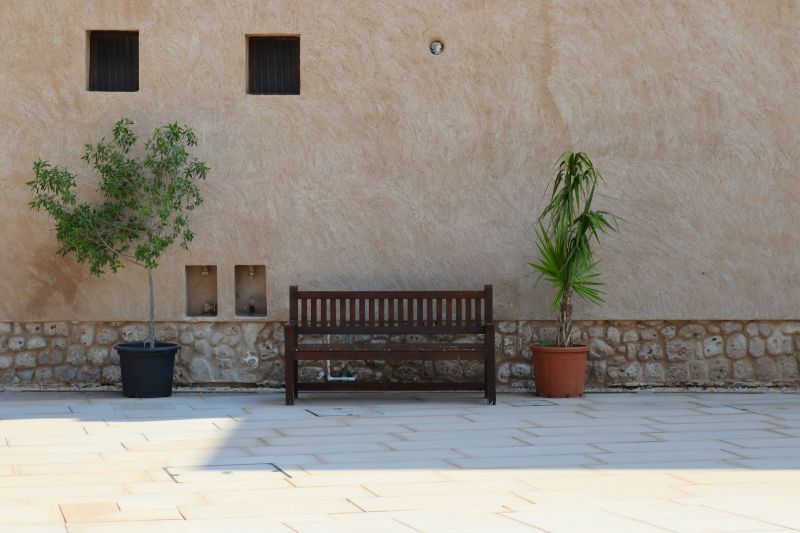
Where to eat in Al Fahidi Historical Neighbourhood
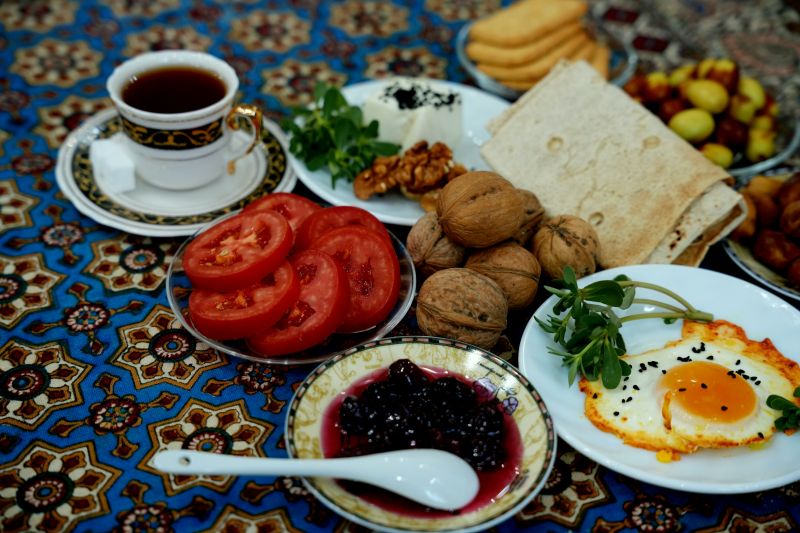
Arabian Tea House, Al Fahidi
about AED 68 per person
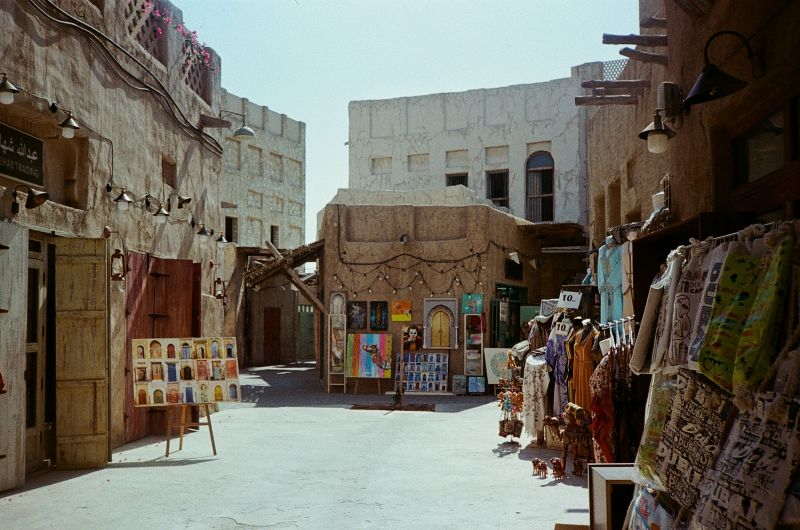
Al Khayma Heritage Restaurant
about AED 79 per person
Questions about Al Fahidi Historical Neighbourhood
Is Al Fahidi Historical Neighbourhood free to visit?
Yes. You can walk around the neighbourhood free of charge at any time of day. Some museums and activities inside it charge separately.
Which metro station is closest to Al Fahidi?
Sharaf DG on the Green Line, which was called Al Fahidi until November 2020. Al Ghubaiba station is also within reach.
Is the Dubai Museum at Al Fahidi Fort open?
Not yet. The fort has been closed for restoration since 2021. In September 2026 it was reported to reopen within weeks or months, so check the latest news before you go.
Why is it called Al Bastakiya?
The quarter was named after merchants from Bastak, in present-day Iran, who settled here. It was renamed Al Fahidi Historical Neighbourhood when restoration began in 2005.